


Picking out kids' shoes can feel like a huge puzzle, right? But what if the perfect pair could actually build a foundation for a lifetime of adventure? Let's dive in!
That’s where kids shoes with arch support come into the picture. These aren't about forcing little feet into a certain shape. Think of them as a gentle, supportive hug for your child's developing arches, giving them the stability and comfort they need for all those epic leaps, sprints, and climbs. It’s like a friendly high-five for every step they take!
Why Happy Arches Build Happy Kids
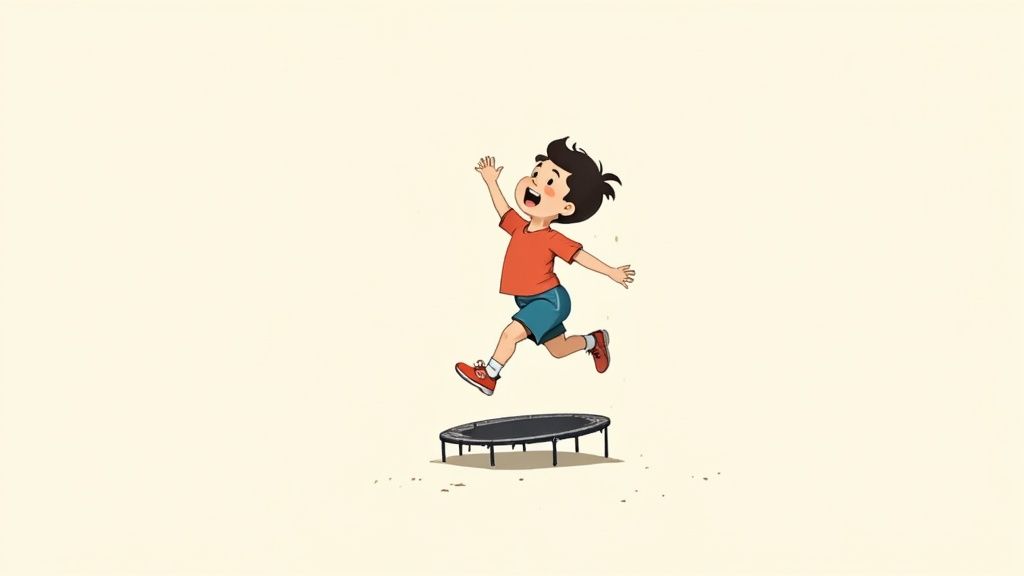
Let's talk about those adorable little feet for a sec. When they're tiny, it's totally normal for your toddler's feet to look flat. They’ve got a natural fat pad in the arch area that gives them that cute, chubby look. This pad slowly vanishes as their muscles and bones get stronger.
But as they go from wobbly first steps to full-on running, their foot's structure really starts to form. This is where the magic of arch support comes in. It’s not about correcting anything—it's about giving their foot a stable base to grow on, so they can keep exploring their world with confidence.
The Spring in Their Step
Imagine your child’s arch is like a tiny, built-in trampoline. When they run, jump, or walk, this natural spring absorbs shock and helps propel them forward. Super cool, right?
Proper kids shoes with arch support act like a safety net for this trampoline. They help keep the arch from collapsing too much under pressure, which is easy to do on hard surfaces like pavement or gym floors. This little bit of support helps keep their foot's alignment in check from the ground up.
Think of it this way: good arch support helps spread their body weight evenly across the whole foot. This stops too much stress from hitting one spot, which means fewer tired, achy feet after a long day of play!
Building a Foundation for Adventure
So, why does this matter right now? Supporting those developing arches helps build a strong foundation for their entire body. When their feet are properly aligned, it creates a happy ripple effect up through their ankles, knees, and even their posture.
Here’s what that supportive foundation really helps with:
- Better Balance: A stable foot means fewer tumbles on the playground!
- Reduced Fatigue: With the right support, their muscles don't have to work overtime. This means more energy for fun and less whining about tired legs.
- Encouraging Natural Movement: A great supportive shoe isn't stiff. The best ones are flexible, letting the foot bend and move naturally while still providing that crucial hug.
Choosing the right shoes is about so much more than just covering their toes. It’s about giving them the comfort and confidence to explore their world. With happy arches, your little one is ready for any adventure!
The Real Benefits of Supportive Footwear
So, what’s the big deal with arch support, really? Let me put it this way: a great pair of kids shoes with arch support is like giving your child’s body its very own personal construction crew. They work from the ground up, making sure everything is aligned and stable for a full day of non-stop action!
When a kid's feet are properly supported, the benefits don't just stop at their toes—they ripple all the way up their body. It's about building a strong, confident foundation for every leap, step, and sprint they take.
A Triple Win for Playtime
A well-supported foot is the secret ingredient for unstoppable fun. The right shoes directly impact how kids run, jump, and explore their world. Whether they're tackling the jungle gym or playing tag in the backyard, good support helps them move more efficiently and safely.
The benefits all work together to keep your little one going strong. We've zeroed in on the top three perks to show you how much of a difference the right footwear can make.
This infographic breaks down the main advantages of supportive footwear for kids.
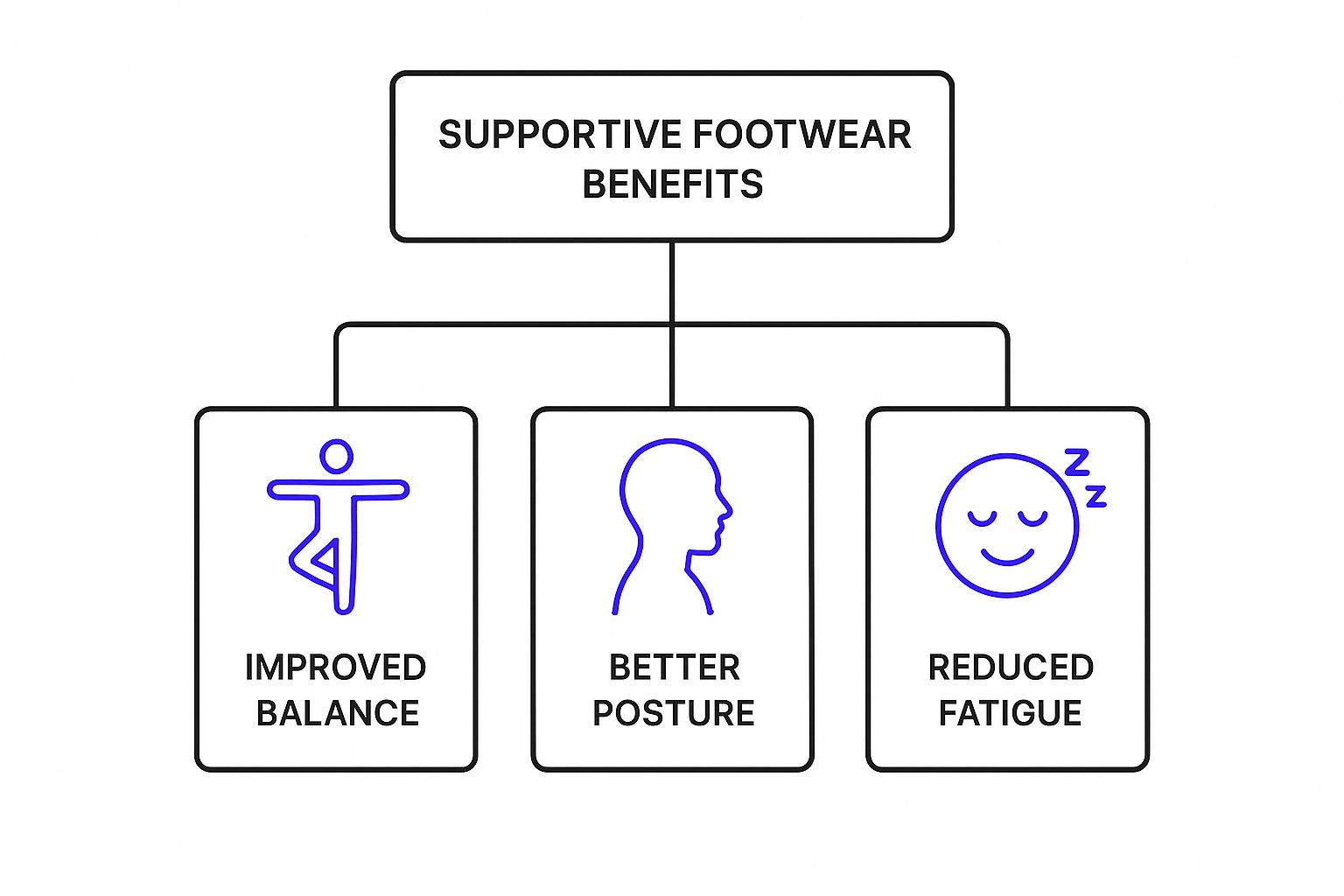
As you can see, it all starts with better balance. From there, you get improved posture, and the grand finale is less fatigue. These three elements are totally interconnected, creating a positive loop that nurtures your child's physical development.
Let’s talk about what this looks like in the real world. A kid with better balance is less likely to trip over their own feet, giving them the confidence to climb higher and run faster. This stability also encourages a more natural walking pattern, or gait, where their feet, ankles, and knees all move in harmony.
This alignment is key! When their body is properly aligned from the feet up, their muscles don't have to work nearly as hard just to stay upright. The result? More energy for playing and a whole lot less whining about tired legs at the end of the day.
Investing in quality footwear is really an investment in their overall well-being. It gives them the physical freedom to take on any challenge, turning every single step into a happy one.
What to Look For in a Supportive Shoe
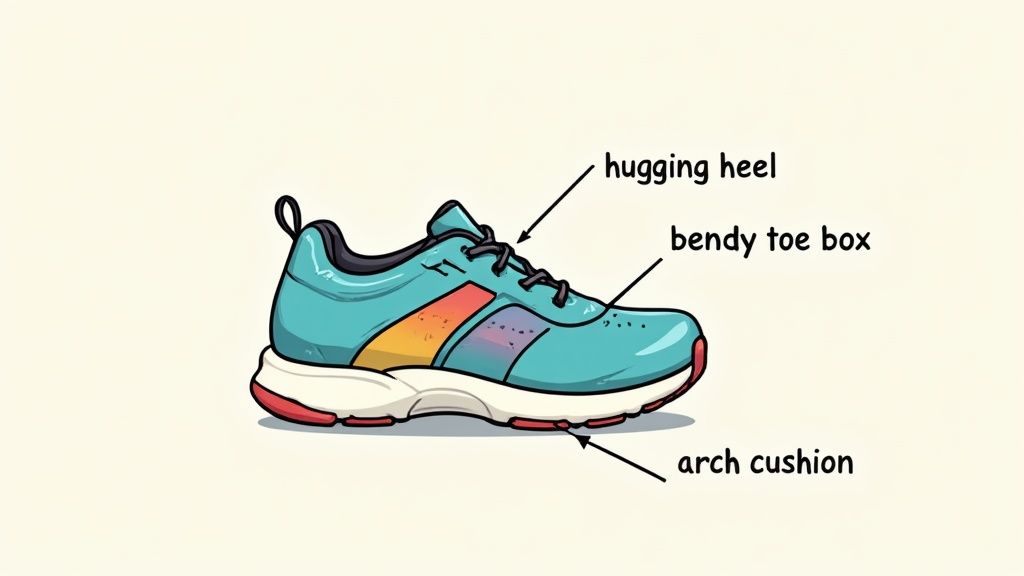
Alright, let's get you ready for your next shoe-shopping mission! It's actually way simpler than it sounds to spot a truly great pair of kids shoes with arch support. You don't need a special degree—just a few simple tricks up your sleeve.
Think of it like being a detective for your child's feet. Once you know the clues, you'll be able to pick out the perfect pair in no time. We'll skip the confusing jargon and get right to the good stuff.
The Supportive Shoe Feature Checklist
So, what are the secret ingredients that make a kids' shoe truly supportive? It really boils down to a few key areas that work together to give your little one a stable, comfortable ride. A shoe that nails these features will give them the perfect blend of flexibility, protection, and support.
I put together this little checklist to make your next trip to the shoe store a breeze.
| Feature | What to Look For (The Fun Version!) | Why It Matters |
|---|---|---|
| Firm Heel Counter | Give the back of the shoe a good squeeze. It should be firm, like a reassuring hug for their heel, not squishy or rock-hard. | This prevents the heel from wobbling, which is key for stability and preventing issues like overpronation. |
| Flexible Forefoot | The "Bend Test"! Try to bend the shoe. It should flex easily at the ball of the foot, right where their toes naturally bend. | This allows for a natural walking motion, helping their foot muscles develop properly. |
| Roomy Toe Box | The "Wiggle Zone"! There should be plenty of space for their toes to spread out and move freely. No squished piggies! | Cramped toes can lead to a host of problems. A wide front lets their foot function as nature intended. |
| Torsion Stability | The "Twist Test"! Try to wring the shoe out like a wet towel. It shouldn't twist much in the middle. | A stable midfoot provides a solid platform, preventing the arch from collapsing with each step. |
With these simple checks, you can quickly tell if a shoe is built for support or just for looks.
More Than Just Cool Colors
While flashy lights and favorite characters are fun, it's what's on the inside—the actual structure of the shoe—that makes all the difference. And it seems more and more parents are catching on.
The global market for children's orthopedic shoes, which includes high-quality supportive footwear, was valued at around $1.2 billion in 2023 and is projected to more than double by 2032. This isn't just a random trend; it shows a real shift towards preventative foot care and giving kids the best possible start. You can read more about the growing market for supportive kids shoes here.
The goal isn't to lock their foot into place, but to provide a stable, flexible environment that mimics natural movement while offering protection. The shoe should work with their foot, not against it.
A great supportive shoe also needs a durable yet flexible sole. It has to be tough enough to handle playground gravel and stray sticks, but pliable enough for them to get a bit of feedback from the ground. That feedback is surprisingly important for developing good balance and coordination.
Just keep these simple ideas in mind on your next shopping trip. You've got this
Finding the Perfect Fit Every Time
Alright, you've picked out a fantastic pair of kids shoes with arch support, but now comes the real test: getting the fit just right. A shoe can have every bell and whistle imaginable, but if it doesn’t fit your child's foot correctly, it just won't do them any good. Let's make this simple.
Getting the size right is a huge deal, and it's something more and more parents are focusing on. In fact, the market for kids' footwear is set to hit an incredible $79.11 billion by 2030, a number driven by parents who are prioritizing healthy foot development. It just goes to show how important a great-fitting, supportive shoe really is. You can explore the full kids' footwear market analysis to see the whole picture.
The Ultimate Fit Checklist
Think of these as your go-to moves for getting the perfect fit. They're quick, easy, and will make sure those new shoes are ready for any adventure.
- The Thumb Test: This one's a classic for a reason. Have your child stand up straight with the shoes on. Gently press down on the tip of the shoe—you should feel about a thumb's width of space between their longest toe and the end. This is the sweet spot for a little growing room.
- The Heel Check: Now, have them take a little walk. Watch their heels as they move. They should stay pretty snug and not slip out of the back. A little bit of movement is fine, but if their heel is popping out, the shoe is too big and won't offer the stability they need.
- The Width Check: Feel along the sides of the shoe. It should be snug, but definitely not tight. You don't want to see the sides of their foot bulging over the sole—that's a sure sign it's too narrow.
Pro-Tip: Always measure their feet while they are standing up! Feet naturally spread out under a bit of weight, and measuring while they're sitting can give you an inaccurate size.
Timing and Tips for Success
Believe it or not, when you measure makes a difference. Just like our own, kids' feet tend to swell a little throughout the day, especially after a good run-around.
For the most accurate measurement, try to check their size or shop for shoes in the late afternoon or evening. This way, you're fitting for their foot at its largest, so the shoes won't feel too tight after a busy day of play.
And since those little feet grow at lightning speed, get into the habit of checking the fit every two to three months. Follow these simple tips, and you'll nail the perfect fit every single time.
The Future of Kids Footwear Technology
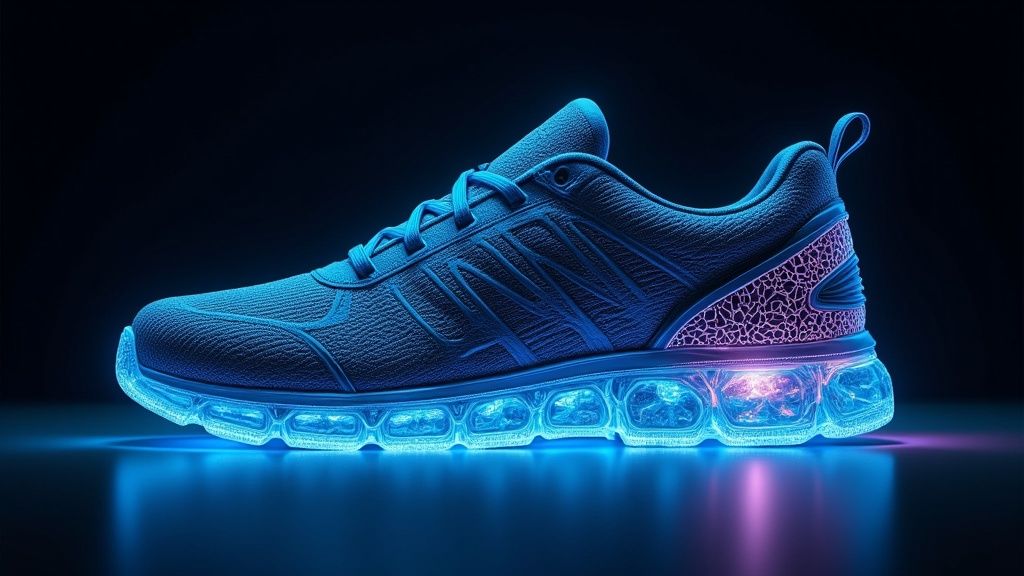
Get ready to step into an incredible new world of footwear! The search for the perfect kids shoes with arch support is getting a seriously cool upgrade, all thanks to some amazing new technology. We’re moving past simple foam and rubber and into a realm of smart, adaptive shoes designed just for your child.
Imagine shoes as unique as your little one’s fingerprint. That's the promise of innovations like 3D printing. Instead of just grabbing a size off the shelf, you could have a shoe printed to the exact shape and contours of your child’s foot—arch and all. It’s the ultimate custom fit, ready for every jump, sprint, and adventure.
Smarter Shoes for Happier Feet
It's not just about the fit; the materials themselves are getting a super-powered boost. Think advanced foams that are both feather-light and incredibly supportive, or fabrics that can adapt to your child’s movements in real-time.
It's like a shoe with its own brain. It knows when to be soft and cushioned for a walk and when to firm up for extra stability during a game of tag. This adaptive technology delivers better support without sacrificing an ounce of playful freedom.
These breakthroughs are changing the game for parents and podiatrists alike. In fact, technologies like 3D printing have been pivotal in creating specialized orthopedic shoes for kids, making effective, targeted support more accessible than ever before.
The Next Generation of Support
This new wave of footwear tech is all about making life easier for parents and way more comfortable for kids. Here are a few things we can all look forward to:
- Ultra-Lightweight Materials: Forget clunky, heavy shoes. Future designs will offer maximum arch support with materials so light, your child will barely notice they're there.
- Adaptive Cushioning: We're talking soles that can change their density based on activity, giving your child the perfect amount of shock absorption exactly when they need it most.
- Sustainable and Strong: Eco-friendly materials that are tough enough to handle the playground while still being kind to the planet.
These are the kinds of features we'll see more of in the next generation of footwear, like the durable, adaptable styles in the Pediped Flex collection. If you want to get your kids excited about what's next, you might even check out some books about technology for young innovators. The future is bright, and it’s starting right at your child’s feet.
Got a few questions rattling around? Perfect. We’ve rounded up some of the most common things parents ask us when it comes to kids shoes with arch support. Let’s jump in and get you some simple answers.
Do All Kids Really Need Arch Support in Their Shoes?
This is the big one we hear all the time! The short answer is: not always, especially when they’re very little. Toddlers have those adorable, flat-looking feet because of a natural fat pad right where their arch will be. It's completely normal and a key part of how their feet develop!
As kids grow and get more active, that fatty pad slowly disappears and their arches start to take shape. For most children, think of arch support as a helpful guide, not a medical correction. Shoes with moderate, flexible support give their developing feet a great foundation, especially when they’re pounding the pavement or navigating hard school floors.
Of course, if your child complains about foot pain, seems to be tripping more than usual, or still has very flat feet after age 6, it's always smart to check in with your pediatrician or a foot specialist.
How Often Should I Replace My Child’s Supportive Shoes?
Get ready for this—kids’ feet grow unbelievably fast! To keep up, you’ll want to check the fit of their shoes every 2 to 3 months. It sounds like a lot, but a single growth spurt can turn a great-fitting shoe into a cramped one almost overnight.
It’s time for a new pair when there's less than a thumb's width of growing room between their longest toe and the tip of the shoe. But size isn't the only thing to watch. The shoe's overall condition is just as important.
- Worn-out tread: If the soles are smooth and slippery, they’ve lost their grip.
- Collapsed heel: The back of the shoe should feel firm. If it’s mushy or leans to one side, it’s not providing any stability.
- Flat cushioning: Press down on the insole. If it feels hard and compressed, the supportive magic is gone.
A worn-out shoe just can’t provide the arch support your little adventurer needs for their daily quests.
Are Barefoot-Style Shoes a Good Alternative?
Barefoot-style shoes are having a moment, and for good reason! They’re fantastic for helping strengthen all the small muscles in the feet by letting kids feel the ground beneath them. This is wonderful for development, especially on natural surfaces like grass, sand, or soft carpets at home.
The trade-off, however, is that they offer very little cushioning or true arch support. For kids playing on hard, unforgiving surfaces like concrete sidewalks, asphalt playgrounds, or gym floors, kids shoes with arch support provide that crucial shock absorption and stability that barefoot styles simply don't have.
A lot of parents find a happy medium that works wonders. They use barefoot shoes for playtime at home or in the park, then switch to more supportive shoes for school, sports, and city adventures. It’s all about giving their feet the right tool for the job.
Still have more on your mind? We’re here to help! For more details on everything from sizing to shoe care, you can always explore our frequently asked questions page for more helpful info.
Leave a comment